By: Sid Peddinti, Esq.
Lawyer Turned Biohacker, Truthseeker, and Investigative Researcher
Friends:
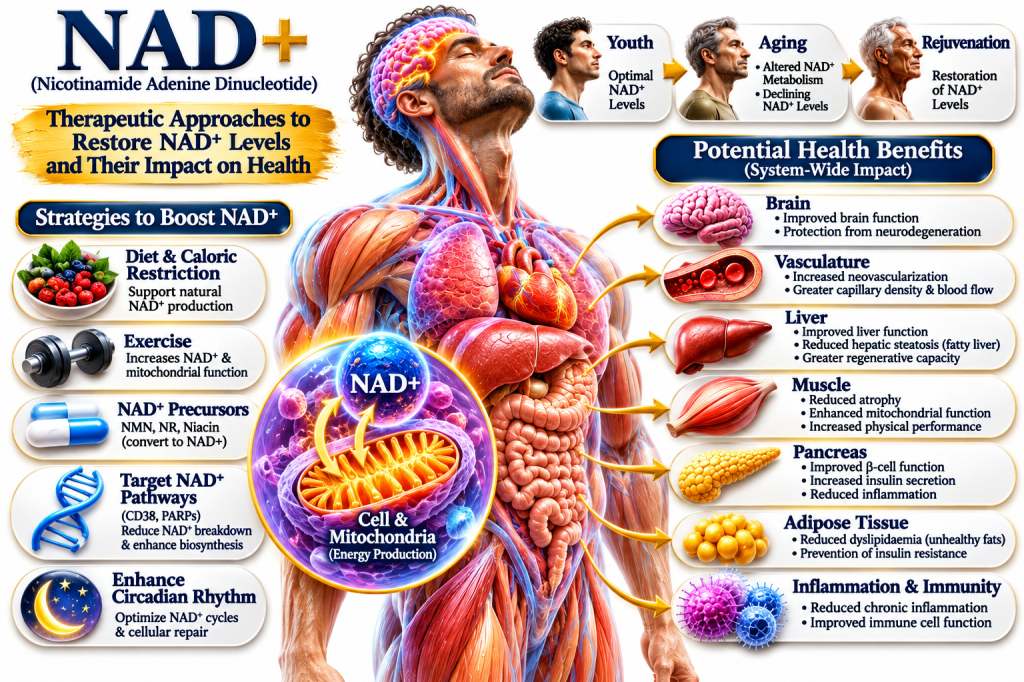
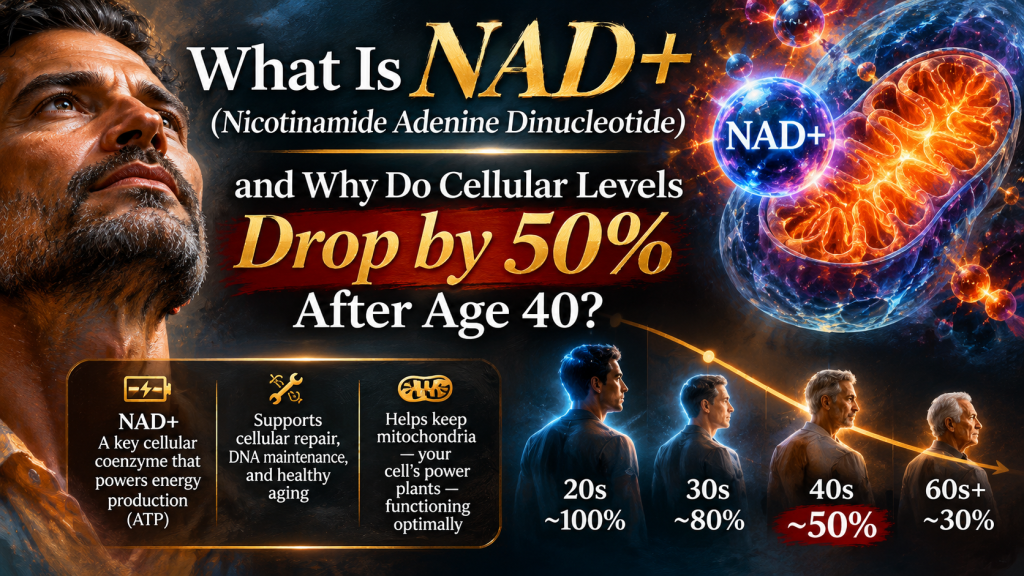
As you may have noticed, Nicotinamide Adenine Dinucleotide (NAD+) has transitioned from an obscure coenzyme found in biology textbooks to the “holy grail” of the modern longevity movement. It is the fuel for our cellular engines, the repairman for our DNA, and the silent guardian of our metabolic health. However, as the market floods with powders, pills, and patches, a significant scientific hurdle remains largely ignored by the average consumer: the NAD+ molecule is fundamentally unstable.
The reality is that most NAD+ products on the shelf are losing potency the moment they are manufactured. From the heat of a delivery truck to the moisture in a bathroom cabinet, the very environment we live in acts as a catalyst for the degradation of this fragile molecule.
This article explores the chemistry of NAD+ instability, the “absorption bottleneck” that renders most oral supplements ineffective, and why intravenous (IV) therapy remains the gold standard for those seeking true biological impact.
⚡ Key Takeaways
- Molecular Fragility: NAD+ is highly susceptible to heat, light, and moisture. In liquid form at room temperature, it can lose 50% of its potency in just 24 hours.
- The NAM Trap: When NAD+ degrades, it turns into Nicotinamide (NAM). High levels of NAM can actually inhibit the very longevity enzymes (sirtuins) you are trying to activate.
- Absorption Issues: Direct NAD+ is a large, charged molecule that the human gut struggles to absorb. Most oral NAD+ is broken down into precursors before reaching the blood.
- IV Superiority: Intravenous delivery bypasses the digestive system entirely, offering 100% bioavailability, though it requires clinical supervision and higher costs.
- Storage is Non-Negotiable: To maintain any level of efficacy, NAD+ products must be kept refrigerated (2–8°C) and protected from light.
Table of Contents
- The Chemistry of Fragility: Why NAD+ Breaks Down
- The Nicotinamide Trap: When Supplements Become Inhibitors
- The Absorption Bottleneck: The Cell Membrane Barrier
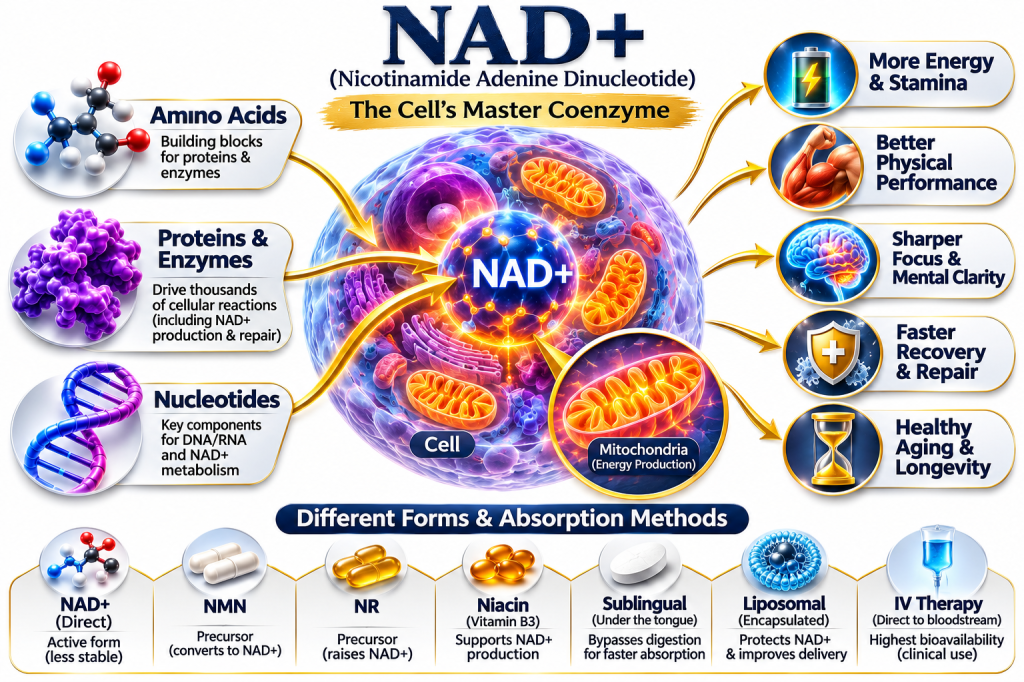
- Comparing Delivery Methods: Stability, Potency, and Cost
- Use Cases: Who Needs Which Version?
- The Financial Reality: Cost vs. Value
- Storage Protocols: Protecting Your Investment
- Frequently Asked Questions (FAQ)
- References & Sources
The Chemistry of Fragility: Why NAD+ Breaks Down
To understand why your NAD+ supplement might be failing, we have to look at its molecular architecture. NAD+ is a dinucleotide, meaning it consists of two nucleotides joined through their phosphate groups. One nucleotide contains an adenine base and the other contains nicotinamide.
The “Achilles’ heel” of the molecule is the N-glycosidic bond – the link between the nicotinamide ring and the ribose sugar. This bond is incredibly sensitive to hydrolysis, a chemical reaction where water molecules attack and break the bond.
Environmental Triggers of Degradation
- Temperature: Heat is the primary enemy. Research indicates that when NAD+ is in an aqueous (water-based) solution, its degradation accelerates exponentially as temperatures rise above 8°C (46°F).
- Moisture (Humidity): Even in powder form, NAD+ is hygroscopic, meaning it attracts water from the air. This moisture triggers the hydrolysis process, turning a potent powder into a biologically inactive clump.
- pH Levels: NAD+ is most stable at a neutral pH. The highly acidic environment of the human stomach (pH 1.5 to 3.5) is a hostile territory that can trigger immediate molecular breakdown.
Because of these factors, a bottle of NAD+ sitting on a warm retail shelf for three months may contain only a fraction of the “milligrams per serving” listed on the label.
The Nicotinamide Trap: When Supplements Become Inhibitors
The most concerning aspect of NAD+ degradation isn’t just the loss of potency – it’s what the molecule turns into. When NAD+ breaks down, the primary byproduct is Nicotinamide (NAM).
While NAM is a form of Vitamin B3 and is generally safe, it serves as a feedback inhibitor for two critical classes of enzymes:
- Sirtuins: Often called “longevity genes,” these enzymes regulate cellular aging and DNA repair.
- PARPs: These are essential for repairing damaged DNA.
If you consume a degraded NAD+ product that has high concentrations of NAM, you may inadvertently be slowing down the very cellular repair processes you intended to accelerate. This “NAM inhibition” is the reason why high-quality manufacturers emphasize purity and stability testing.
The Absorption Bottleneck: The Cell Membrane Barrier
Even if you manage to get a stable, high-potency dose of NAD+ into your system, you face a biological hurdle: the cell membrane.
NAD+ is a relatively large molecule and carries a negative charge. Basic biology teaches us that cell membranes are “selectively permeable,” and large, charged molecules do not simply drift into cells. They require specific transporters.
The Oral Dilemma
When you swallow a direct NAD+ capsule, it faces a three-stage gauntlet:
- Stomach Acid: Breaks down the molecular bonds.
- Digestive Enzymes: Enzymes in the small intestine further cleave the molecule into smaller parts like Nicotinamide Riboside (NR) or Nicotinamide (NAM).
- First-Pass Metabolism: Anything absorbed by the gut travels to the liver first, where it is further processed before reaching the general circulation.
By the time “oral NAD+” reaches your bloodstream, it is no longer NAD+; it is a collection of precursors that your body must then rebuild into NAD+ inside the cells.
Comparing Delivery Methods: Stability, Potency, and Cost
The following table breaks down the current market options based on their chemical stability and biological effectiveness.
| Delivery Method | Stability | Bioavailability | Estimated Cost | Best For |
|---|---|---|---|---|
| IV Therapy | High (if fresh) | 100% | $600 – $1,200 / session | Rapid replenishment, addiction recovery, acute fatigue. |
| Lyophilized Powder | Very High | Variable | $100 – $300 / month | Long-term storage; must be reconstituted and used fast. |
| Sublingual (Drops/Tabs) | Moderate | Low to Moderate | $50 – $120 / month | Bypassing some gut metabolism via the mouth lining. |
| Liposomal Oral | Moderate | Moderate | $70 – $150 / month | Protecting the molecule through the stomach acid. |
| Precursors (NMN/NR) | High | High (as precursors) | $40 – $100 / month | Daily maintenance and steady NAD+ elevation. |
The IV Advantage
Intravenous (IV) therapy is widely considered the “gold standard” because it bypasses the digestive tract entirely. By dripping NAD+ directly into the vein, the concentration in the plasma reaches levels that are impossible to achieve through oral supplementation. While the molecule is still eventually broken down in the blood to enter cells, the sheer volume and immediate availability provide a “systemic flush” that many users report as a profound “brain fog” lifter.
Use Cases: Who Needs Which Version?
Not everyone needs a $1,000 IV drip. The choice of product should depend on your specific goals and lifestyle.
1. The High-Performance Executive or Athlete
- Goal: Immediate cognitive clarity and physical recovery.
- Recommendation: IV Therapy or Lyophilized (Freeze-Dried) Injections. These provide the highest immediate potency.
- Why: When performance is the priority, the stability issues of oral supplements are too much of a gamble.
2. The Longevity Enthusiast (Age 40+)
- Goal: Slowing the biological clock and maintaining DNA repair.
- Recommendation: High-quality NMN or NR precursors combined with occasional Liposomal NAD+.
- Why: Precursors are more stable for daily use and are effectively converted into NAD+ by the body’s own machinery.
3. Recovery and Repair (Post-Illness or Injury)
- Goal: Cellular energy restoration.
- Recommendation: Sublingual NAD+ or Reconstituted Lyophilized Powder.
- Why: Sublingual delivery allows some of the molecule to enter the bloodstream directly through the mucous membranes, avoiding the “stomach acid gauntlet.”
The Financial Reality: Cost vs. Value
When evaluating NAD+ products, the “price per milligram” is a deceptive metric. A $50 bottle of NAD+ capsules might seem like a bargain compared to a $600 IV session, but if the capsules are 90% degraded or unabsorbable, your cost per absorbed milligram is actually much higher.
- The “Cheap” Trap: Many Amazon-grade NAD+ supplements are stored in non-refrigerated warehouses. By the time they reach your door, you are essentially paying for expensive Vitamin B3 (Nicotinamide).
- The Premium Investment: High-end brands use third-party stability testing and cold-chain shipping. You pay more upfront, but you are actually receiving the active molecule.
Storage Protocols: Protecting Your Investment
If you are spending money on NAD+, you must treat it like a perishable food item. Follow these strict protocols to prevent your supplement from becoming inert:
- The Fridge is Your Friend: Always store liquid or reconstituted NAD+ at 2–8°C (36–46°F). Never leave it on a counter or in a gym bag.
- Darkness Matters: NAD+ is photosensitive. Use amber glass vials and keep them inside a drawer or a box to block UV light.
- Airtight Seals: If using powders, ensure the lid is tightened immediately after use. Consider adding a silica desiccant pack to the bottle to absorb stray moisture.
- The “Use By” Rule: Once a lyophilized powder is reconstituted with bacteriostatic water, its “potency clock” starts ticking loudly. Most experts recommend using the solution within 21 to 28 days, even if kept refrigerated.
Frequently Asked Questions (FAQ)
Q: Why don’t companies just make a stable NAD+ pill?
A: Chemistry is the limiting factor. The NAD+ molecule is inherently “high energy,” which makes it useful for cells but unstable for storage. While liposomal encapsulation helps, it cannot entirely overcome the molecule’s tendency to undergo hydrolysis when exposed to any moisture.
Q: Is NMN better than NAD+ because it is more stable?
A: NMN (Nicotinamide Mononucleotide) is a smaller precursor. It is significantly more stable at room temperature than direct NAD+. For most people, NMN is a more practical daily supplement, while direct NAD+ (via IV or injection) is used for more intensive, acute needs.
Q: How can I tell if my NAD+ has degraded?
A: It is difficult to tell without a lab test. However, if a powder has become clumpy, discolored, or has a strong “sour” smell, it has likely reacted with moisture and lost potency.
Q: Does IV NAD+ hurt?
A: Many people experience a “chest pressure” or a “heavy head” sensation if the IV drip is too fast. This is due to the rapid influx of the molecule and its effect on adenosine receptors. Slowing the drip usually eliminates the discomfort.
The world of cellular health is moving fast, but the laws of chemistry remain constant. If you are serious about optimizing your NAD+ levels, stop buying unverified, shelf-stable “direct NAD+” capsules that likely contain nothing but degraded byproducts, and start seeking patent-holders, innovators, and scientists who can help you measure NAD+ levels and then dispense the amount you need to restore to optimal levels.
That’s the quest I’m on and if you want to get a hold of the people that I’m in the process of interviewing and experimenting with, feel free to leave a comment and we’ll publish those details.
NAD+ Stability, Longevity Science, IV Therapy vs Oral, NMN vs NR, Cellular Energy, Molecular Degradation, Bioavailability.
References & Sources
- Aminopeptides: Stability and storage of NAD+ molecules
- TrimRX: The science of NAD+ IV therapy and bioavailability
- Palmetto Peptides: Lyophilized vs Liquid NAD+ stability data
- National Institutes of Health (NIH): The role of NAD+ in human aging and DNA repair
- FoundMyFitness: NAD+ precursors and sirtuin activation
- Awaken IV: Clinical benefits of high-dose NAD+ intravenous delivery
- Holina Clinic: The absorption bottleneck of oral NAD+ supplements
- GluNova Bio: Chemical degradation pathways of Nicotinamide Adenine Dinucleotide
- AboutNAD: Comprehensive guide to NAD+ chemistry and precursors

Leave a Reply