
By: Sid Peddinti, Esq.
Biohacker, Lawyer, Researcher, and Publisher
Fellow BioHackers,
Today, I want to share some research around the topic of NAD+, and to be more specific – NAD+ and NADH – which are two interconnected topics. Let’s dive in.
Nicotinamide adenine dinucleotide, commonly known as NAD, is a coenzyme found in every single living cell in your body. It is often described as the “molecule of life” because, without it, your cells would stop producing energy and die within seconds. When discussing nad+ versus nadh, we are looking at two different states of the exact same molecule as it performs its job of keeping you alive.
⚡ Key Takeaways
- NAD+ and NADH are two sides of the same coin: They are the oxidized and reduced forms of the same coenzyme.
- NAD+ is the “Empty Truck”: It picks up electrons from food to help with DNA repair and longevity signaling.
- NADH is the “Full Truck”: It carries those electrons to the mitochondria to create ATP (cellular energy).
- The Ratio Matters: A healthy cell maintains a high NAD+ to NADH ratio (roughly 700:1).
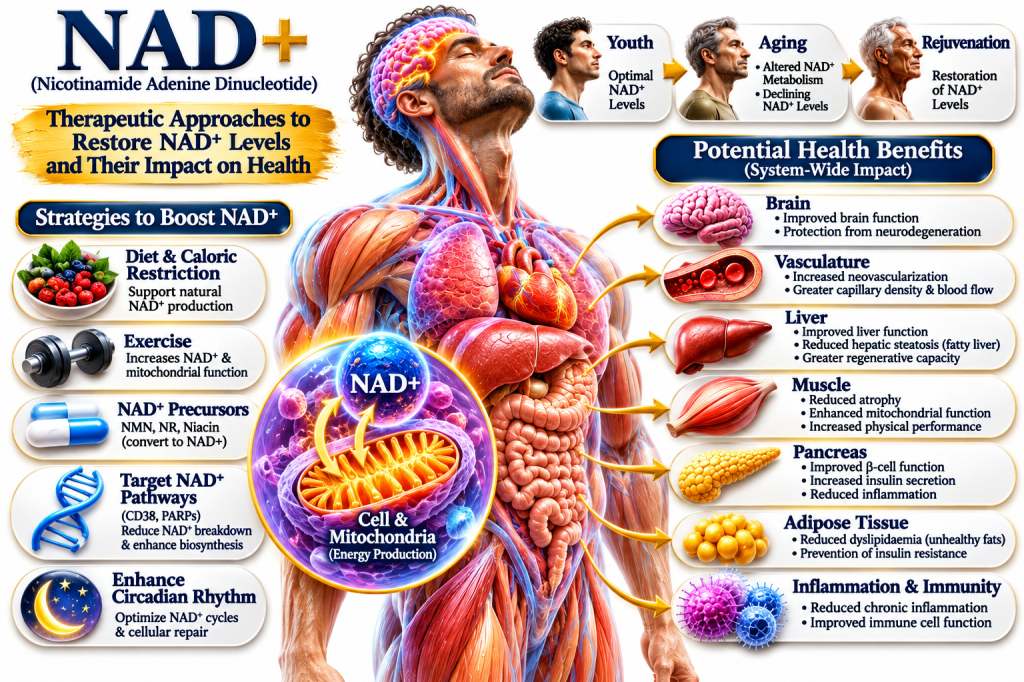
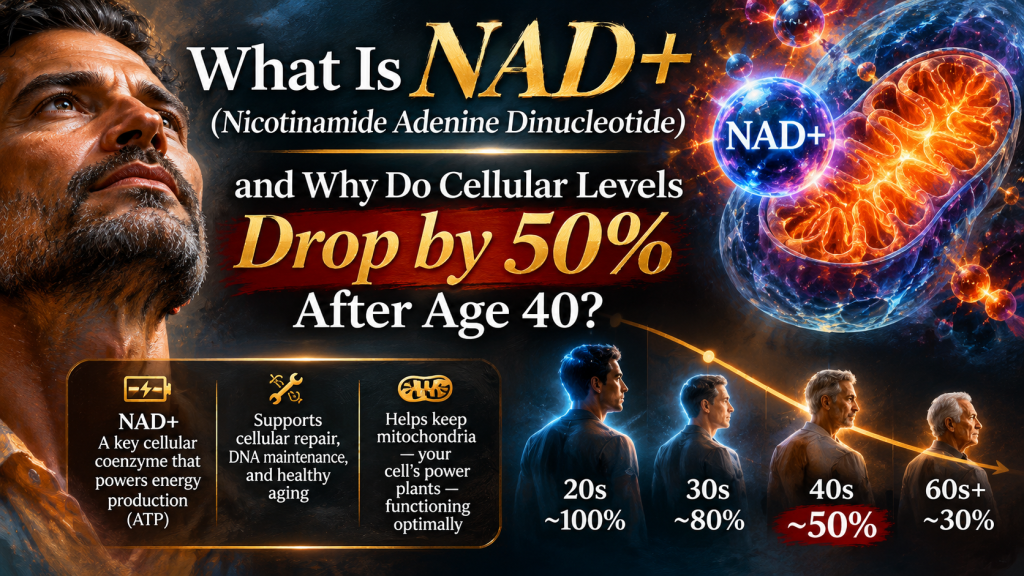
- Aging Declines Both: As we age, total NAD levels drop, leading to slower metabolism and decreased DNA repair.
Table of Contents
- What is Nicotinamide Adenine Dinucleotide?
- The “Delivery Truck” Analogy: Explaining NAD like I’m 5
- Key Functional Differences
- The Redox Cycle: How They Work Together
- The Importance of the NAD+/NADH Ratio
- Supplementation: NAD+ Boosters vs. NADH
- Bioavailability and Delivery Methods
- Safety, Side Effects, and Precautions
- Comparison Table: NAD+ vs. NADH
- Frequently Asked Questions (FAQ)
- Free Resources
- References & Sources
What is Nicotinamide Adenine Dinucleotide?
Nicotinamide adenine dinucleotide is a coenzyme—a “helper” molecule—that assists enzymes in sparking chemical reactions. It is derived from Vitamin B3 (niacin). In the body, it exists in two primary forms: NAD+ and NADH.
The difference between the two is simply a matter of electrons. In chemistry, when a molecule loses electrons, it is “oxidized” (NAD+). When it gains electrons, it is “reduced” (NADH). This constant flipping back and forth is what allows your body to turn a sandwich into the energy you use to walk, think, and breathe.
The “Delivery Truck” Analogy
To understand nad+ versus nadh, imagine a fleet of delivery trucks operating inside your cells.
- NAD+ is the Empty Truck: It is ready and waiting to pick up a load. Its job is to go to the “loading dock” (the food you eat) and pick up high-energy electrons and a hydrogen atom.
- NADH is the Full Truck: Once the truck is loaded with those electrons, it becomes NADH. It is now “reduced” and heavy with energy. It drives over to the “power plant” (the mitochondria) to drop off its load.
Once the NADH truck drops off the electrons to create energy, it becomes an empty NAD+ truck again, and the cycle repeats.
Key Functional Differences
NAD+ (The Oxidized Form)
NAD+ is the version of the molecule that is “hungry” for electrons. Beyond just carrying energy, NAD+ acts as a vital signaling molecule. It tells your body how to respond to stress and aging.
- DNA Repair: Enzymes called PARPs require NAD+ to fix broken DNA strands.
- Longevity Signaling: Sirtuins, often called “longevity genes,” can only work if there is enough NAD+ available. They help regulate inflammation and cell health.
- Metabolic Spark: It is the primary electron acceptor in glycolysis and the Krebs cycle.
NADH (The Reduced Form)
NADH is the version of the molecule that is “carrying” the energy. Its primary role is focused on the final stage of energy production.
- ATP Production: NADH delivers electrons to the Electron Transport Chain in the mitochondria. This process creates ATP (Adenosine Triphosphate), the actual “currency” your cells use to pay for every movement and thought.
- Antioxidant Support: While primarily an energy carrier, NADH also plays a role in regenerating other antioxidants in the body.
The Redox Cycle: How They Work Together
The relationship between nad+ versus nadh is known as a “redox couple.” They are in a constant state of flux.
- Step 1: You eat carbohydrates or fats.
- Step 2: Enzymes break down that food and “load” electrons onto NAD+.
- Step 3: The NAD+ becomes NADH.
- Step 4: NADH travels to the mitochondria and “unloads” the electrons.
- Step 5: The energy from those electrons builds ATP, and the NADH turns back into NAD+.
If this cycle stops, the cell runs out of power and the biological machinery grinds to a halt.
The Importance of the Ratio
In a healthy, young person, the ratio of NAD+ to NADH is very high—roughly 700 to 1. This means there are many “empty trucks” ready to work.
As we age, or when we deal with metabolic stress (like overeating or lack of exercise), this ratio shifts. We end up with too much NADH and not enough NAD+. This “sluggish” state is linked to:
- Mitochondrial dysfunction (feeling tired all the time).
- Reduced ability to repair DNA.
- Increased fat storage.
- Age-related metabolic diseases.
Supplementation: NAD+ Boosters vs. NADH
When people look for supplements, they usually have different goals for each form.
NAD+ Boosters (Precursors)
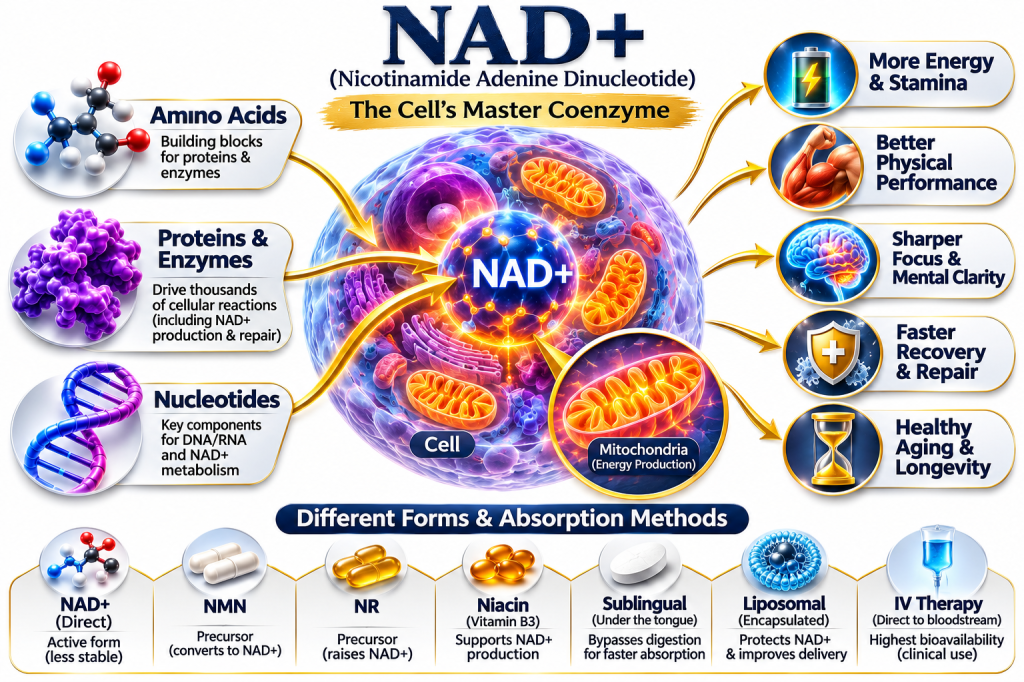
Most “NAD+ supplements” are actually precursors like NMN (Nicotinamide Mononucleotide) or NR (Nicotinamide Riboside). These are smaller building blocks that the body finds easier to absorb. Once inside the cell, they are converted into NAD+. These are typically taken for long-term health, anti-aging, and DNA support.
NADH Supplements
Direct NADH supplementation is less common but is often marketed for immediate needs. It is frequently used by people dealing with Chronic Fatigue Syndrome (CFS), jet lag, or those looking for a quick “brain fog” lifter. Because NADH is the “full truck,” taking it directly is intended to provide an immediate energy boost.
Bioavailability and Delivery Methods
One of the biggest challenges with nad+ versus nadh is getting them into the bloodstream.
- Oral Capsules: Much of the NAD+ or NADH taken in pill form is broken down by stomach acid and the liver before it ever reaches your cells.
- Sublingual (Under the tongue): This method allows the molecules to enter the bloodstream directly through the tissues in the mouth, bypassing the gut.
- Nasal Sprays: These are popular for cognitive benefits as they may have a more direct path toward the brain.
- IV Therapy and Injections: These are the most effective (and expensive) ways to raise levels, as they provide 100% bioavailability by putting the coenzyme directly into the blood or muscle.
Safety, Side Effects, and Precautions
Both forms are generally considered safe for healthy adults, but there are things to keep in mind:
- Over-stimulation: Because NADH is energy-focused, taking it late at night can cause insomnia or “jitters.”
- Methylation: High doses of NAD+ precursors can use up “methyl groups” in the body, which are needed for liver health and neurotransmitters. Many people take TMG (Trimethylglycine) alongside their boosters to prevent this.
- Cancer Caution: Cancer cells are very energy-hungry and use NAD+ to grow quickly. While NAD+ doesn’t cause cancer, those with active tumors or a history of cancer should consult an oncologist before supplementing.
Comparison Table: NAD+ vs. NADH
| Feature | NAD+ (Oxidized) | NADH (Reduced) |
|---|---|---|
| Chemical State | Electron Acceptor (“Empty”) | Electron Donor (“Full”) |
| Primary Role | DNA Repair & Longevity Signaling | ATP (Energy) Production |
| Analogy | The Empty Delivery Truck | The Loaded Delivery Truck |
| Healthy Ratio | High (700) | Low (1) |
| Main Benefit | Anti-aging, cellular health | Physical energy, mental clarity |
| Common Precursors | NMN, NR, Niacin | Direct NADH, NADPH |
| Best For | Long-term health & DNA support | Fatigue, jet lag, brain fog |
Frequently Asked Questions (FAQ)
Which is better for anti-aging, NAD+ or NADH?
NAD+ is generally considered better for anti-aging. This is because NAD+ is the specific form required by sirtuins (longevity genes) and PARPs (DNA repair enzymes). While NADH is vital for energy, the decline in NAD+ is more directly linked to the signs of aging.
Can I take both NAD+ and NADH together?
Yes, some people take both. They work in a cycle, so having a healthy pool of both is beneficial. However, most people focus on boosting NAD+ (via NMN or NR) to keep the ratio balanced, as NADH levels are often already high enough relative to NAD+ in older or stressed cells.
Does coffee increase NAD+?
Some studies suggest that caffeine may help maintain NAD+ levels by triggering certain enzymes, but it is not a direct source of the coenzyme.
Why can’t I just take a pure NAD+ pill?
You can, but the NAD+ molecule is quite large and fragile. It often gets broken down in the digestive tract into smaller pieces (like Nicotinamide). This is why precursors like NR and NMN are more popular—they are “sturdier” for the journey through your stomach.
What are the side effects of NADH?
The most common side effects are mild, including nausea, loss of appetite, or a slight headache. Because it boosts energy, some people feel over-stimulated or anxious if the dose is too high.
Call To Action & Next Steps
Understanding the balance of nad+ versus nadh is a major step in taking control of your metabolic health. If you are feeling chronically fatigued or are interested in proactive longevity, consider the following steps:
- Consult a Professional: Speak with a healthcare provider about testing your NAD levels.
- Focus on Precursors: Look into NMN or NR if your goal is long-term cellular repair.
- Lifestyle First: Remember that exercise and fasting are the most natural ways to increase your NAD+ to NADH ratio.
Want to join our community?
Ready to join a community of biohackers on the same journey?
Take a second to join us.
100% free.
Gain access to a TON of exclusive content, research, interviews, and workshops. Learn about and explore “NAD+” topics with patent holders, scientists, inventors, and doctors leading the NAD+ space and advancing human health.
Article Contributed By:
Sid Peddinti, Esq.
Biohacker, Lawyer, Researcher, and Publisher
Keywords / Topics: nad+ versus nadh, cellular energy, mitochondrial health, NMN vs NR, longevity science, ATP production, DNA repair.
References & Sources
- Elysium Health – NAD+ vs NADH: What’s the Difference?
- Farsk Health – Understanding the NAD Cycle
- Vitals Vault – The Science of Coenzymes
- Goldman Laboratories – NADH for Chronic Fatigue
- Tru Niagen – How NAD+ Precursors Work
- WebMD – NADH Supplement Overview
- AgelessRX – NAD+ Injections and Longevity
- Cleveland Clinic – The Role of Mitochondria in Aging
- AARP – Supplements and Brain Health
- RxList – NADH Side Effects and Dosage

Leave a Reply